ITC 101 Series: Why Certifications (UL, CSA) Matter in Industrial Components
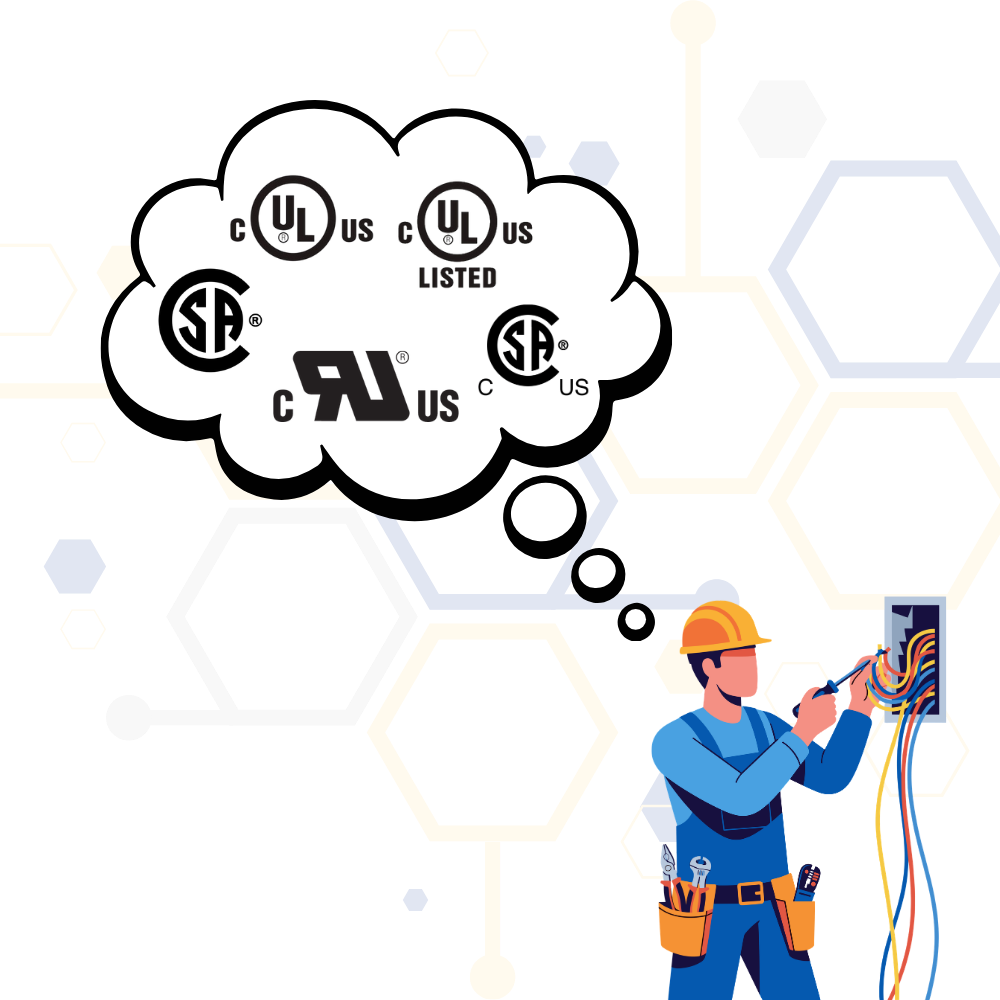
There are many approvals!
When selecting industrial electrical components, certification is more than a logo on a datasheet. A certification mark indicates that a product or component has been independently evaluated against specified requirements for its intended market. In North America, selecting products with the appropriate certification can affect regulatory acceptance, equipment certification, inspections and project completion.
What Do Certification Marks Tell You?
The key question is not simply whether a product is described as “UL approved” or “CSA approved.” Buyers should verify which certification body issued the mark, which country or countries it covers, the applicable standard and whether the certification applies to a complete product or a component.
| Certification Mark | What It Means |
|---|---|

| A UL mark without a Canadian country indicator should not automatically be treated as certification for Canada. Always verify the wording, country indicators and certification record associated with the mark. | |

| Indicates that the product has been evaluated by CSA Group against applicable Canadian requirements. Country indicators identify the markets covered by the certification. | |
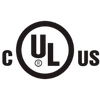
| The “c” and “us” country indicators show that the applicable UL certification covers Canada and the United States. The accompanying wording and certification record should be checked to confirm the specific certification program. | |
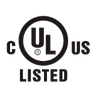
| UL Listing covering applicable product-safety requirements for both Canada and the United States. It is distinct from cURus, which applies to Recognized Components. | |

| CSA certification showing compliance with applicable requirements for both Canada and the United States. | |

| UL Recognized Component certification for the United States. It applies to components intended for integration into a larger product or system and is not a UL Listing for a complete end-use product. | |
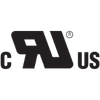
| UL Recognized Component certification covering Canada and the United States. It applies to components intended for integration into a larger product or system, subject to their conditions of acceptability. |
Why UL and CSA Remain Key for Electrical Components
UL and CSA are among the most widely recognized certification organizations for industrial electrical components in North America. Their marks are commonly specified by panel builders, OEMs, engineers and industrial purchasers.
Other accredited organizations, including Intertek, which issues the ETL Mark, and QPS Evaluation Services, can also certify electrical products. Their marks may be acceptable when they cover the applicable country, product category and safety standard. Always verify the certification scope and requirements of the relevant Authority Having Jurisdiction (Electrical Safety Authority, n.d.; Occupational Safety and Health Administration, n.d.-a).
Why It Matters in North America
Across North America, electrical approval requirements depend on the destination country, product type, intended application and relevant Authority Having Jurisdiction (AHJ). In Canada, electrical safety requirements are administered provincially and territorially. In Ontario, for example, electrical products must carry a recognized certification or field-evaluation mark before they can be used, sold, displayed or advertised. In the United States, OSHA’s Nationally Recognized Testing Laboratory program authorizes recognized organizations to test and certify certain products against applicable U.S. product-safety standards (Electrical Safety Authority, n.d.; Occupational Safety and Health Administration, n.d.).
For panel builders, OEMs, distributors and industrial purchasers, selecting components with the appropriate Canadian, U.S. or dual-country approval can support product acceptance, simplify equipment certification and reduce the risk of substitutions, additional testing, field evaluations or project delays. Dual-country marks such as cULus Listed and cCSAus can be particularly valuable when equipment will be supplied to customers in both Canada and the United States.
However, the exact mark still matters. UR and cURus identify Recognized Components intended for integration into a larger product or system. They should not be treated as certification of a complete end-use product. Always verify the exact model, certification category, applicable standard, certification record and any conditions of acceptability before specifying a component (CSA Group, n.d.; UL Solutions, n.d.).
What About CE and ATEX?
CE marking indicates conformity with applicable EU requirements. ATEX applies to equipment and protective systems intended for potentially explosive atmospheres in the EU. Both are important for European markets, but neither should be treated as a substitute for required Canadian product approval.
Before specifying an industrial component, verify the exact model, certification mark, certification record and intended application. ITC offers industrial components with a range of North American and international approvals to support different project requirements.
Reference:
CSA Group (n.d.) Marks and labels for North America. Available at: https://www.csagroup.org/testing-certification/marks-labels/csa-marks-labels-north-america/ (Accessed: 10 August 2026).
Electrical Safety Authority (n.d.) Recognized approval marks. Available at: https://esasafe.com/electrical-products/recognized-certification-marks/ (Accessed: 10 August 2026).
European Commission (n.d.) CE marking: obtaining the certificate and EU requirements. Available at: https://europa.eu/youreurope/business/product-rules-compliance/general-product-compliance/ce-marking/index_en.htm (Accessed: 10 August 2026).
European Parliament and Council of the European Union (2014) Directive 2014/34/EU on equipment and protective systems intended for use in potentially explosive atmospheres. Available at: https://eur-lex.europa.eu/eli/dir/2014/34/oj (Accessed: 10 August 2026).
Occupational Safety and Health Administration (n.d.) Nationally Recognized Testing Laboratory Program. Available at: https://www.osha.gov/nationally-recognized-testing-laboratory-program (Accessed: 10 August 2026).
UL Solutions (n.d.) Components certification. Available at: https://www.ul.com/services/components-certification (Accessed: 10 August 2026).
Learn more with the ITC 101 Series:
ITC 101: Understanding NEMA Ratings for Electrical Enclosures
Understanding NEMA Ratings for Electrical Enclosures
Read MoreITC 101: Why Certifications and Compliance Marks Matter in Industrial Components
Understand what UL, CSA, cULus, cCSAus and cURus approval marks...
Read MoreITC 101: Understanding IP Ratings for Electrical Enclosures
Understanding IP Ratings for Electrical Enclosures
Read More